007 First Light Chapter List: Chapters, Count, and Replay Checklist
Use this spoiler-light 007 First Light chapter list to understand the chapter count, mission order, chapter-versus-mission wording, and when to replay for collectibles and alternate approaches.
Updated September 15, 2026. Official IO Interactive media is used for visuals; third-party chapter counts remain guide references, not publisher guarantees.

Mission list quick answer
Short Answer
How many missions are in 007 First Light?
For a practical 007 First Light chapter list, use the 17-chapter view when you are tracking story progress. Some guides group those chapters into 10 larger mission-style blocks plus a prologue, so both counts can appear without describing the same unit.
If you are asking for a 007 First Light mission list because you want to know how far you are into the story, use the 17-chapter view. If you are planning a replay session, trophy cleanup, or a weekend playthrough, the broader mission-block view is often more useful because several short chapters can function like one larger playable sequence.
This page is narrower than the existing walkthrough. The walkthrough explains how to approach objectives and routes; this mission list explains the order, count, cleanup timing, and how to avoid over-spoiling the story before you need a step-by-step route.
Chapter names and exact objective wording should be verified against the game, platform guide pages, or official updates as patches and guide coverage mature. Treat this page as a planning index first, then move to the walkthrough when you need route-level help.
Spoiler-light 007 First Light chapter and mission list
The table uses chapter slots instead of full story spoilers. It is designed for progress planning, search intent, and internal routing to deeper walkthrough content.
| Slot | Spoiler-light name | Main focus | What to check before moving on |
|---|---|---|---|
| Prologue | Opening operation | Tutorial pressure, camera language, basic movement, first objective reading. | Controls, subtitles, difficulty, and any first achievement pop. |
| Chapter 1 | Field introduction | Early stealth and action rhythm while the story establishes Bond before the 007 role. | Objective verbs, exits, optional dialogue, and safe reload points. |
| Chapter 2 | Training and evaluation | MI6-style testing, gadgets, access routes, or tutorialized challenge spaces. | Tool prompts, training scoring, and whether replay unlocks cleaner routes. |
| Chapter 3 | First intelligence lead | Investigating a lead and learning how the game handles evidence, access, and restricted areas. | Documents, side rooms, guard patrols, and one-way transitions. |
| Chapter 4 | Social infiltration | Reading crowds, doors, disguises or social spaces, and non-combat progression. | Conversation clues, civilian zones, cameras, and quiet exit options. |
| Chapter 5 | Gadget route | Solving access problems with Bond tools rather than only shooting or sprinting. | Gadget prompts, locked routes, optional tests, and missed pickups. |
| Chapter 6 | Tailing or surveillance | Following, observing, or tracking a target while staying controlled. | Distance warnings, camera angles, checkpoints, and fail-state timing. |
| Chapter 7 | Chase set piece | A faster mission block where route reading matters more than full exploration. | Vehicle cues, health, cover, and whether collectibles should wait. |
| Chapter 8 | Safe-house or reset beat | Story context, equipment reset, and preparation before the next escalation. | Loadout, conversation updates, and mission select behavior. |
| Chapter 9 | Overseas operation | A larger destination or set of connected spaces with stealth/action choice. | Map exits, alternate paths, evidence, and optional intel. |
| Chapter 10 | Compound entry | A focused infiltration section where alarms can change the route. | Cameras, vertical routes, guard swaps, and extraction triggers. |
| Chapter 11 | Evidence objective | Finding, stealing, planting, or verifying an item while avoiding unnecessary conflict. | Objective state, nearby side rooms, and whether a cutscene locks the area. |
| Chapter 12 | Escape sequence | A compressed action or driving sequence after the objective turns hot. | Exit marker, ammo, health, vehicle handling, and checkpoint placement. |
| Chapter 13 | Second operation chain | A later-game mission block where earlier systems combine. | Gadgets, stealth tolerance, optional route variants, and replay goals. |
| Chapter 14 | High-risk confrontation | Combat, boss-like pressure, or story escalation that limits slow exploration. | Cover, weak windows, supplies, and restart cost. |
| Chapter 15 | Final infiltration | Late-game route planning where spoilers become harder to avoid. | Only open detailed walkthroughs if blocked or cleaning up. |
| Chapter 16 | Finale | Story resolution and the last high-pressure sequence. | Finish first, then review missed optional goals. |
| Chapter 17 | Post-story cleanup | Mission replay, chapter select, collectible checks, and completion planning. | Trophies, achievements, collectibles, ranks, and alternate-route notes. |
If an official patch, in-game chapter select, or reliable guide changes the chapter naming, update the names first and keep the spoiler-light intent of this table.

Why chapters and missions are counted differently
Search results mix two counting systems. A chapter count is usually the number of story slots or chapter-select entries. A mission count may group several slots together when they belong to the same playable operation. That is why one page can say 17 chapters while another says 10 missions plus a prologue without necessarily contradicting the campaign structure.
For players, the best approach is simple: use chapters to measure progress, use missions to plan sessions, and use the walkthrough only when you need exact route help. This keeps the page useful for both quick-answer searches and deeper guide readers.
Use chapters for progress
Chapter slots answer “How far am I?” and work best for spoiler-light tables.
Use missions for planning
Mission blocks answer “How long is the next operation?” and help with weekend or subscription planning.
Use walkthroughs for routes
Full route help belongs on the walkthrough page, not in every mission-count paragraph.
Use trophies for cleanup
Achievements, missables, and collectible routing belong in completion-focused pages.
Replay cleanup checklist after the mission list
Once you know the order, decide what should wait for chapter select. Cleanup is easier when you understand which spaces lock, which set pieces accelerate, and which objectives can be repeated.
Finish the story once
Avoid turning the first run into a checklist unless you are blocked or chasing a specific achievement.
Mark lockout moments
Vehicle prompts, one-way doors, and forced cutscenes are the best warnings that optional items may become unavailable.
Replay by goal
Separate collectible runs, stealth runs, combat challenge runs, and trophy runs instead of trying to do everything at once.
Use the right internal page
Move to the walkthrough for route help, the trophy guide for achievements, and the playtime page for session planning.
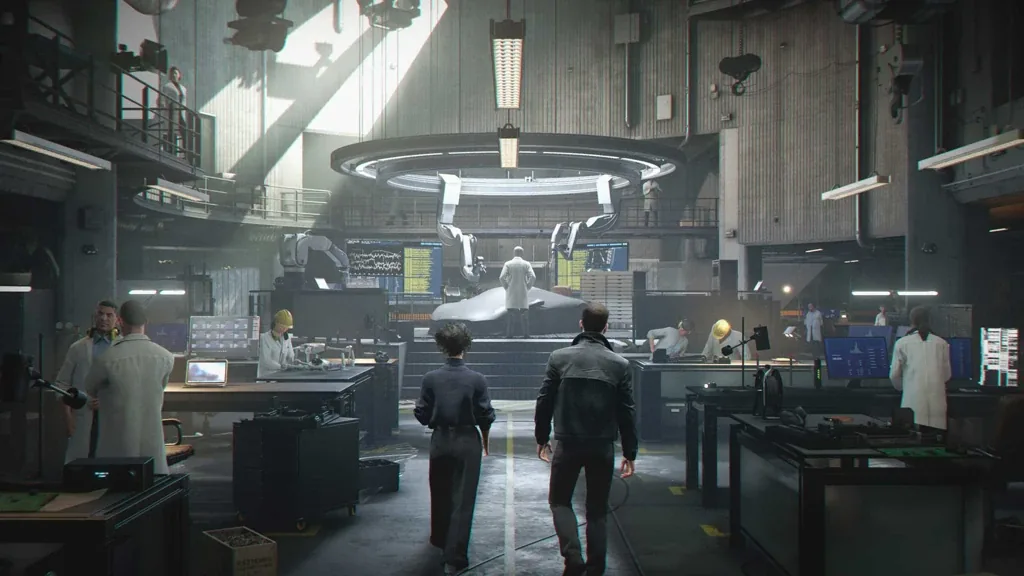
Official video for mission tone and route context
The official trailer is included because mission-list readers need real footage context for stealth, chase, gadgets, and action pacing. It is not used as a substitute for crawlable chapter information.
If the embed is unavailable in your region, use the official IO Interactive or platform pages in the source list.
Sources and verification notes
Official media is used first. Third-party walkthrough and chapter-count pages are included only to explain current public guide counts and should be treated as guide references.
007 First Light mission list FAQ
How many chapters are in 007 First Light?
The working 007 First Light chapter list uses 17 chapters. Some guides group them as 10 large mission-style levels plus a prologue, so use the chapter view for progress and check the source when exact names change.
Is this the same as the walkthrough?
No. This page explains count, order, and cleanup planning. The walkthrough page is for objective routes, stealth choices, and step-by-step help.
Does this page reveal every mission name?
It uses spoiler-light slot names rather than late-game story titles. Exact names should be checked against the in-game chapter select or mature guide sources when you want spoilers.
When should I hunt collectibles?
Usually after the first story run or after a chapter becomes familiar. Collectible cleanup is easier when you already know lockouts and escape triggers.
Why are official screenshots used here?
This is a game guide page, so real official media is more useful than generic generated artwork. Captions identify the visuals as official media context, not proof of a specific mission name.