007 First Light Gadgets Guide: Best Gadgets and Loadouts
A spoiler-light breakdown of the Q-Lens and seven active gadgets, with clear recommendations for stealth, combat recovery, exploration, and replay cleanup.
Quick verdict: keep the Q-Watch ready for flexible control, use the Phone when remote access matters, and treat the Q-Lens as your always-available information layer rather than a normal loadout slot.
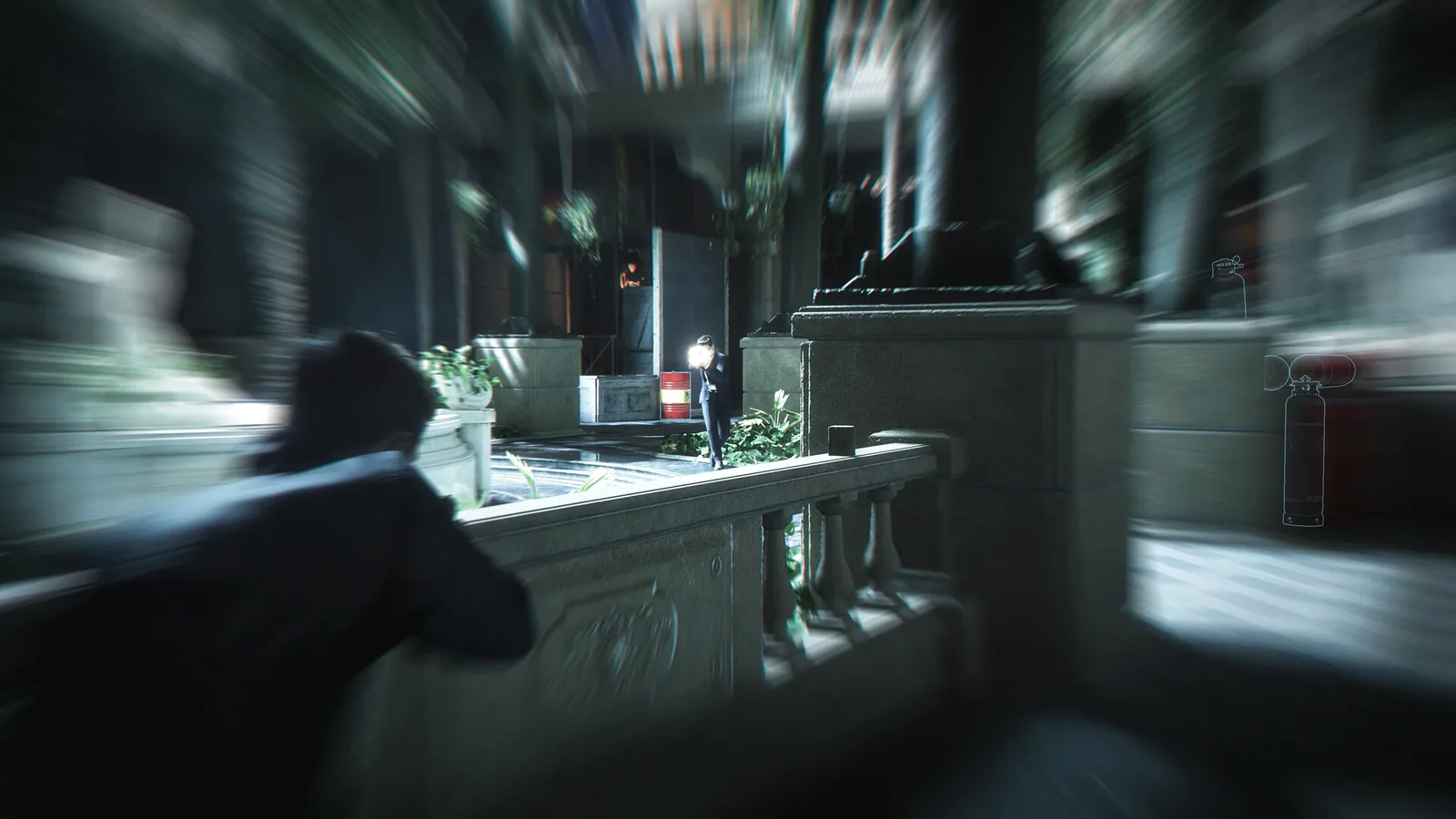
Fast gadget answers
Short answer
What are the best gadgets in 007 First Light?
The Q-Watch is the safest all-purpose recommendation because it helps create openings without forcing Bond into a single route. The Phone is the strongest remote-access choice, while the Earphones reward players who prefer information and distraction before direct action. The Lighter and Pen are more situational, so they become valuable when a mission clearly presents the right environmental setup.
Guides disagree on whether the game has seven or eight gadgets because the Q-Lens works differently from the selectable tools. This page counts eight Q-Branch tools in total: the always-available Q-Lens plus seven active or mission-specific gadgets. That distinction is more useful than treating every tool as an identical loadout slot.
Do not choose gadgets by a universal tier list alone. Scan the room, identify whether the objective demands access, distraction, surveillance, sabotage, or recovery, then equip the tool that removes the next obstacle with the least risk. The best gadget is usually the one that preserves a quiet route and leaves a backup plan.
Every 007 First Light gadget compared
The table separates information tools from active field gadgets and focuses on what each one changes during a mission. Exact availability can vary by chapter, objective, or mission setup.
| Gadget | Primary role | Best use | Limitation | Verdict |
|---|---|---|---|---|
| Q-Lens | Scanning and route reading | Marking interactive objects, security opportunities, and useful environmental details before moving. | It informs your plan but does not solve the obstacle by itself. | Essential first step; scan every new space. |
| Q-Watch | Flexible field control | Creating a safe opening when patrol timing or room state changes. | Its value depends on recognizing the correct nearby opportunity. | Best general-purpose gadget. |
| Phone | Remote access | Interacting from a safer position when approaching the target would expose Bond. | Less valuable when the route offers no useful connected target. | Best for remote and access-heavy objectives. |
| Earphones | Information and distraction | Building situational awareness or manipulating attention before entering a guarded area. | Requires patience and does not replace a direct escape option. | Strong stealth specialist pick. |
| Lighter | Environmental ignition | Triggering a distraction or interaction when the scene provides a suitable combustible element. | Highly dependent on mission layout and available props. | Situational but memorable when supported. |
| Pen | Close-range utility | Handling a nearby interaction or improvised problem when subtle access matters. | Short range and limited value in open combat. | Useful backup, not a default first pick. |
| Camera | Visual intelligence | Recording or examining details that support investigation and objective progression. | Primarily an information tool rather than crowd control. | Prioritize in investigation-focused sections. |
| Drone | Remote reconnaissance | Checking space beyond Bond's immediate line of sight before committing to an approach. | Can slow momentum and may be restricted by the mission context. | Best when uncertainty is the main risk. |
Names and functions are cross-checked against current post-launch guides. Because patches and mission scripting can change availability, verify the in-game briefing when a chapter limits your kit.

Best gadget loadouts by mission goal
Treat these as decision patterns rather than permanent builds. The game often gives you a mission-specific kit, so the useful habit is choosing which tool to reach for first.
Quiet infiltration: Q-Lens → Earphones → Q-Watch
Scan the route, collect or create an attention gap, then use the watch when patrol timing stops being predictable. This order keeps the flexible tool in reserve.
Remote access: Q-Lens → Phone → Drone
Identify the connected objective, work from cover with the Phone, and use remote reconnaissance only when line-of-sight uncertainty remains the biggest danger.
Environmental setup: Q-Lens → Lighter or Pen
Look for mission-authored interactions before equipping a situational tool. If the room offers no clear ignition or close-range opportunity, switch back to a broader utility option.
Replay cleanup: Camera → Q-Lens → mission tool
When revisiting chapters for evidence, challenges, or missed interactions, prioritize information gathering before speed. Use the final slot for the obstacle identified by the scan.
Six gadget habits that save failed attempts
Scan before crossing a threshold
Use the Q-Lens from cover. Information gathered before entering is more valuable than a gadget used after an alarm starts.
Keep one recovery option
Do not spend every tool on the opening move. Preserve the Q-Watch or another flexible option for a patrol change, failed distraction, or blocked exit.
Follow mission language
Briefings, nearby props, and objective wording often indicate whether the scene expects access, surveillance, distraction, or sabotage.
Avoid forcing situational tools
The Lighter and Pen can be excellent, but only when the environment supports them. Switching is better than waiting for a use that never appears.
Separate information from action
Q-Lens, Camera, and reconnaissance tools reduce uncertainty. Active gadgets change the room. Use them in that order whenever possible.
Replay with a different first tool
A second run becomes more useful when you deliberately test a new opening rather than repeating the same route faster.
Sources and how recommendations were checked
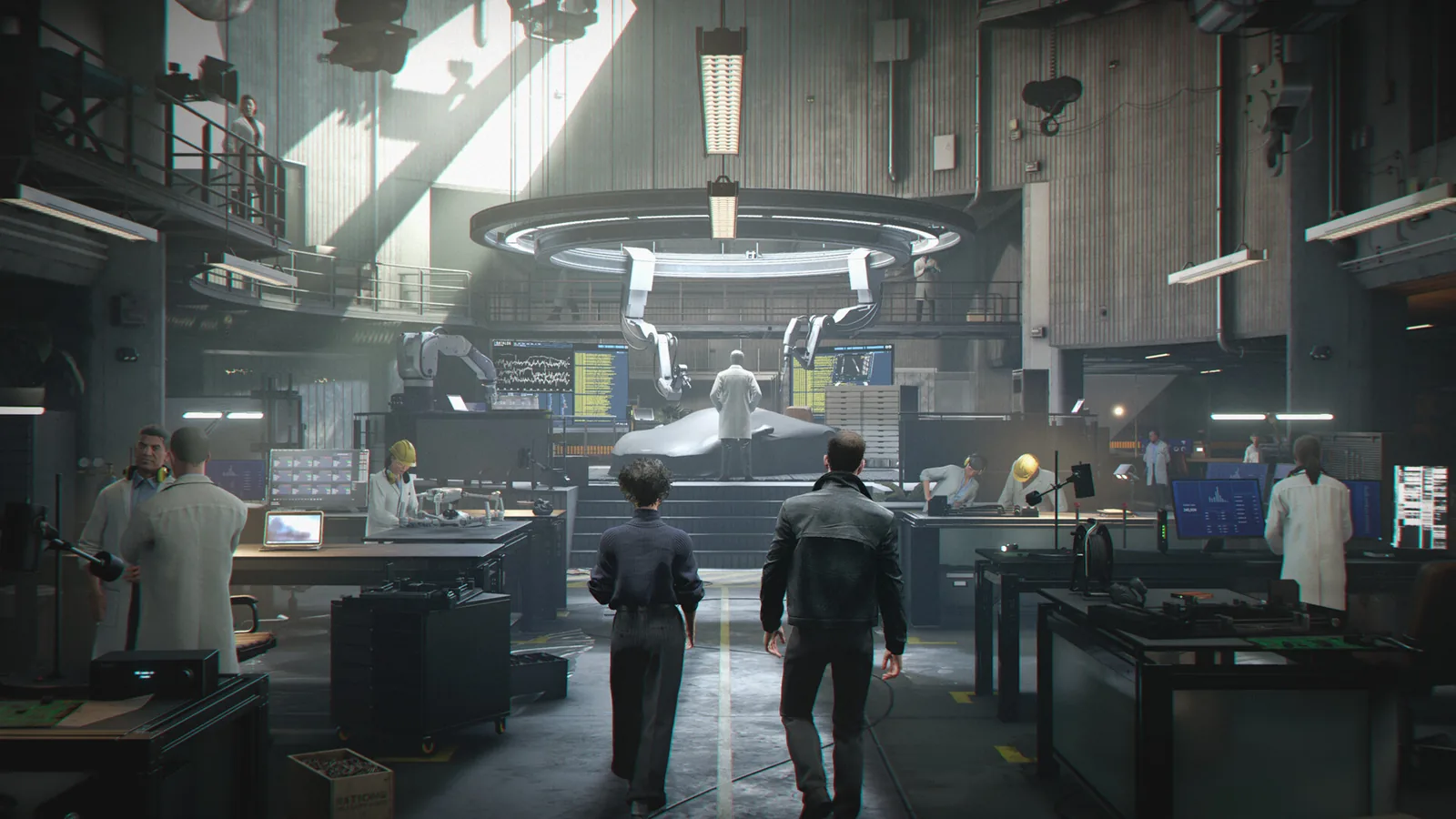
Official media establishes the game's gadget-led spycraft. Post-launch guides were compared to resolve naming, tool-count, and practical-use differences; recommendations are editorial rather than official rankings.
007 First Light gadgets FAQ
What is the best gadget in 007 First Light?
The Q-Watch is the best general-purpose recommendation because it remains useful across changing patrol and room conditions. The best mission-specific choice can still be the Phone, Earphones, Lighter, Pen, Camera, or Drone when the objective clearly favors that function.
How many gadgets are in 007 First Light?
A practical count is eight Q-Branch tools: the always-available Q-Lens plus seven active or mission-specific gadgets. Some guides say seven because they exclude the Q-Lens from normal loadout gadgets.
Is the Q-Lens a gadget?
Yes, but it behaves more like a permanent scanning and planning layer than a standard active gadget slot. Use it before choosing how to spend a situational tool.
Can you equip every gadget in every mission?
No. Availability and usefulness can be limited by the chapter, briefing, objective, and scripted mission setup. Check the current mission kit instead of assuming a universal inventory.
Which gadget is best for stealth?
Earphones are strong for information and distraction, while the Q-Watch is the safer flexible backup. The Q-Lens should begin almost every stealth route because it reveals useful interactions before Bond moves.
Do gadgets have upgrades or a skill tree?
The current guides describe mission tools and unlock progression rather than a traditional damage-focused gadget skill tree. Treat gadget value as situational utility, not a permanent power score.